
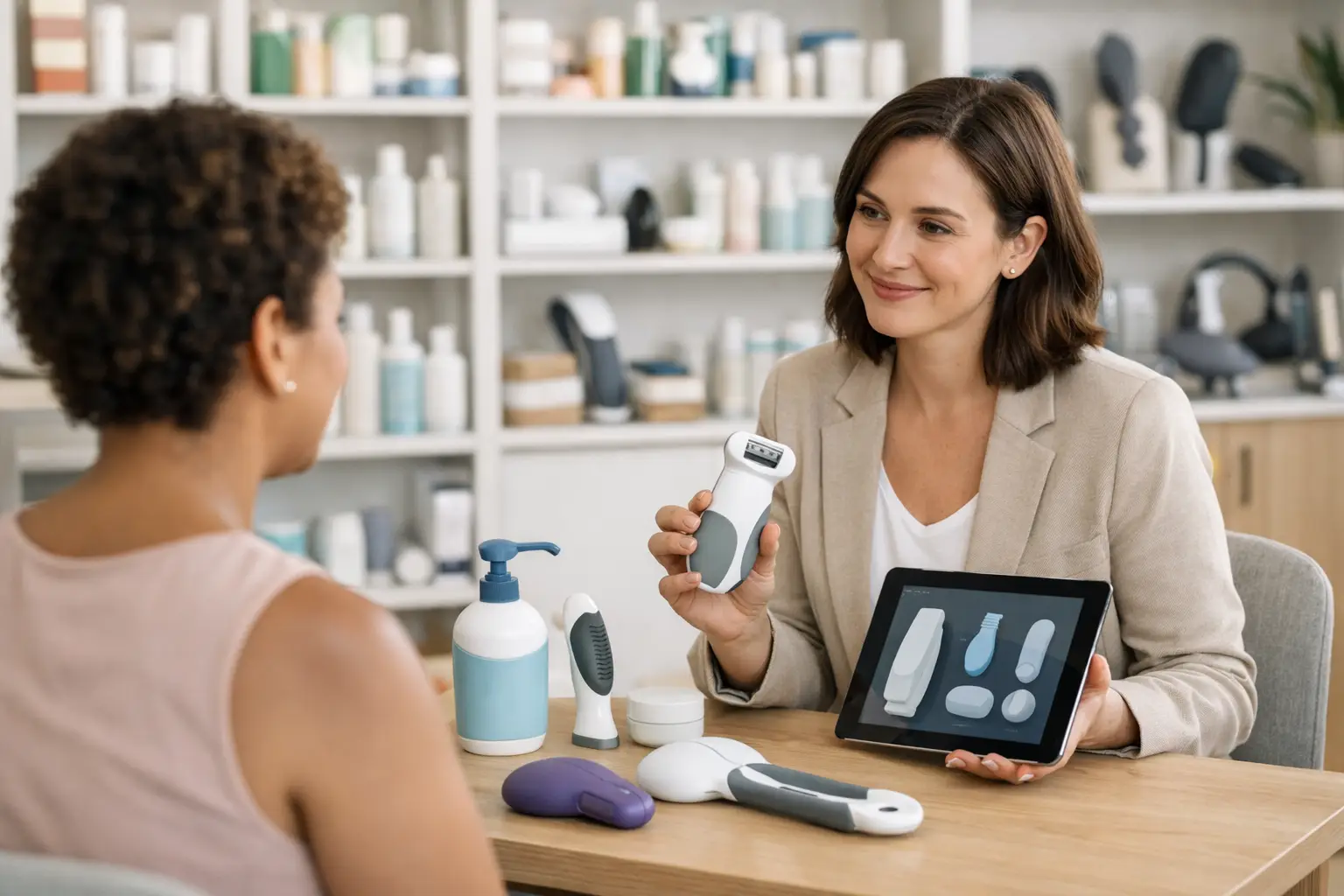
Shopping for pleasure products should feel exciting, not like you need to fit some narrow idea of who toys are “for.” The best inclusive sex toys for all bodies make room for real life – different anatomies, mobility needs, sensitivities, identities, experience levels, and comfort zones. That means less pressure to buy what looks trendy and more freedom to choose what actually feels good, accessible, and affirming.
That shift matters. For a long time, the adult wellness space treated bodies like they came in one standard version. If a toy was too rigid, too loud, too hard to hold, too focused on one kind of anatomy, or wrapped in language that excluded whole communities, shoppers were left to do the emotional labor of translating products for themselves. Inclusive design changes that. It says pleasure is not reserved for one body type, one gender expression, one ability level, or one relationship style.
What inclusive sex toys for all bodies really means
Inclusivity is not a sticker on the box. It shows up in how a toy is shaped, how it functions, how it is described, and who is considered during design. A truly inclusive product does more than claim to be for “everyone.” It recognizes that bodies vary in size, sensitivity, dexterity, anatomy, and needs.
Sometimes that means flexible shapes instead of one-angle-only designs. Sometimes it means bigger buttons, lighter weight, quieter motors, softer textures, or handles and loops that make a toy easier to grip. Sometimes it means moving away from anatomy assumptions entirely and describing stimulation by sensation and use rather than by gendered labels.
That last part is especially powerful. Many shoppers want products that feel affirming, not alienating. A toy can be beautifully made and still miss the mark if the language around it makes someone feel unseen. Inclusive pleasure starts with body-safe design, but it also includes respectful, shame-free framing.
Start with comfort, not categories
A lot of people shop by category first – vibrator, dildo, wand, ring, anal toy, couples toy. Those categories can be helpful, but they are not always the best starting point. If you are trying to find a toy that fits your body and your life, comfort is a smarter place to begin.
Think about pressure, reach, and sensation. Do you like broad stimulation or pinpoint intensity? Do you want something insertable, external, wearable, or versatile enough to do more than one job? Are you dealing with wrist fatigue, chronic pain, pelvic tension, numbness, or sensory sensitivity? Those questions narrow the field in a much more useful way than marketing buzzwords ever will.
For beginners, this can be a relief. You do not need to know every term or have a perfectly mapped-out pleasure profile. You just need a starting point that respects your body as it is right now.
Size is personal, not a ranking system
One of the biggest myths in intimacy retail is that bigger means better or that smaller means “entry level” in a dismissive way. In reality, size is about fit, comfort, and preference. A compact toy may be ideal for someone who wants control, gentler sensation, easier storage, or less intimidation. A larger toy might offer broader contact, more power, or easier handling depending on the design.
There is no gold star for choosing the most intense option. Inclusive shopping replaces performance pressure with curiosity.
Material can change everything
Body-safe materials matter for everyone, but they matter even more when someone has sensitivities, allergies, or simply wants a toy that feels better on the skin. Smooth silicone is a favorite for a reason – it is non-porous, easy to clean, and often softer and more forgiving than hard plastic or mystery blends.
Still, “best” depends on the person. Some people love a plush, velvety finish. Others prefer firm pressure and a sleek surface that glides easily. Texture can be exciting for one body and overstimulating for another. Inclusive design leaves room for both.
Features that make toys more accessible
Accessibility is part of pleasure, not a side conversation. If a toy is difficult to hold, confusing to operate, or physically exhausting to use, it does not matter how popular it is. This is where thoughtful details can make a huge difference.
Look for intuitive controls. Large buttons, simple settings, and easy charging are not boring features – they are confidence builders. A toy with twelve patterns is not automatically better than one with three satisfying speeds you can actually navigate in the moment.
Weight matters too. A powerful wand can be incredible, but some are too heavy for extended use. Lighter designs, ergonomic curves, and handle-friendly shapes can make pleasure more sustainable for people with arthritis, limited grip strength, or fatigue.
Noise level deserves more attention than it gets. Privacy concerns are real, especially for people with roommates, kids, shared walls, or anxiety about being overheard. A quieter motor can be the difference between feeling tense and feeling free to relax.
Flexible use is often the most inclusive choice
Multi-use toys tend to serve a wider range of bodies because they are less locked into one specific script. A curved external vibrator can work solo, in partnered play, on nipples, around the vulva, along the shaft, across the perineum, or anywhere broad vibration feels good. A wearable ring may offer stimulation for more than one partner depending on fit and positioning. A slim insertable toy might be perfect for warm-up, pelvic floor awareness, or gentle exploration.
Versatility does not mean a toy has to do everything. It just means the design leaves room for discovery rather than insisting there is only one correct way to use it.
Gender-inclusive language matters
Pleasure products have come a long way, but too many brands still sort everything into outdated “for him” and “for her” bins. That approach leaves out trans, nonbinary, intersex, and gender-expansive shoppers, and honestly, it oversimplifies everyone else too.
A more inclusive approach focuses on anatomy, sensation, and preferences without telling people what their body is supposed to mean. Not everyone with a vulva identifies as a woman. Not everyone with a penis identifies as a man. Not every shopper wants their body described in clinical detail, either. The sweet spot is language that is clear, respectful, and affirming.
That is why curated shops matter. A supportive store experience can help you filter through options without making you feel like you have to decode exclusionary product copy on your own. Saphire’s Toys is part of that shift toward shopping that feels informed, welcoming, and free of shame.
How to choose inclusive sex toys for all bodies
The best buying question is not “What is the most popular toy?” It is “What would make this feel comfortable, exciting, and easy for me to use?” That answer might point you toward a soft external vibrator, a slimmer insertable toy, a remote option for couples, a lightweight wand, or an anal toy with a clear safety base and beginner-friendly shape.
If you are shopping with a partner, the same principle applies. Do not assume a toy has to serve both people in the exact same way at the exact same time. Sometimes the most inclusive choice is one that invites collaboration and adjustment. Maybe that means a toy that layers well with oral sex, intercourse, manual play, or strap play. Maybe it means each partner chooses something that suits their own body and then you explore together.
There are trade-offs, and that is normal. More power can mean more noise. More flexibility can mean less pinpoint precision. A tiny toy may travel well but be harder to grip. A larger one may be easier to hold but feel visually intimidating. The goal is not perfection. It is fit.
A few green flags when you shop
Good product descriptions talk about sensation, size, material, and ease of use in clear language. They avoid making universal promises like “guaranteed orgasm” and they do not shame any preference as too much or not enough. They also respect that beginners and experienced users both deserve quality, not a cheap compromise.
Look for body-safe materials, realistic dimensions, and thoughtful design features. Pay attention to whether the toy seems adaptable to your needs instead of demanding that your body adapt to it.
Pleasure should feel affirming
At its best, inclusive pleasure is not about checking boxes. It is about being able to say, “This was made with someone like me in mind.” That can mean a first-time shopper finding a non-intimidating vibrator. It can mean a disabled customer finding a toy they can use comfortably. It can mean a trans or nonbinary person seeing language that respects their body without making assumptions. It can mean a couple finding tools that support connection without pressure.
There is real power in that kind of recognition. Pleasure becomes easier to access when you are not busy bracing against discomfort, exclusion, or embarrassment. You get to focus on what your body wants, what feels safe, and what brings joy.
You do not need permission to want products that meet you where you are. You do not need to fit a mold to deserve good design, body-safe materials, and a shopping experience that feels warm and judgment-free. The right toy is not the one built for some imaginary standard body. It is the one that lets your actual body exhale, explore, and feel more at home in itself.



Be the first to comment