
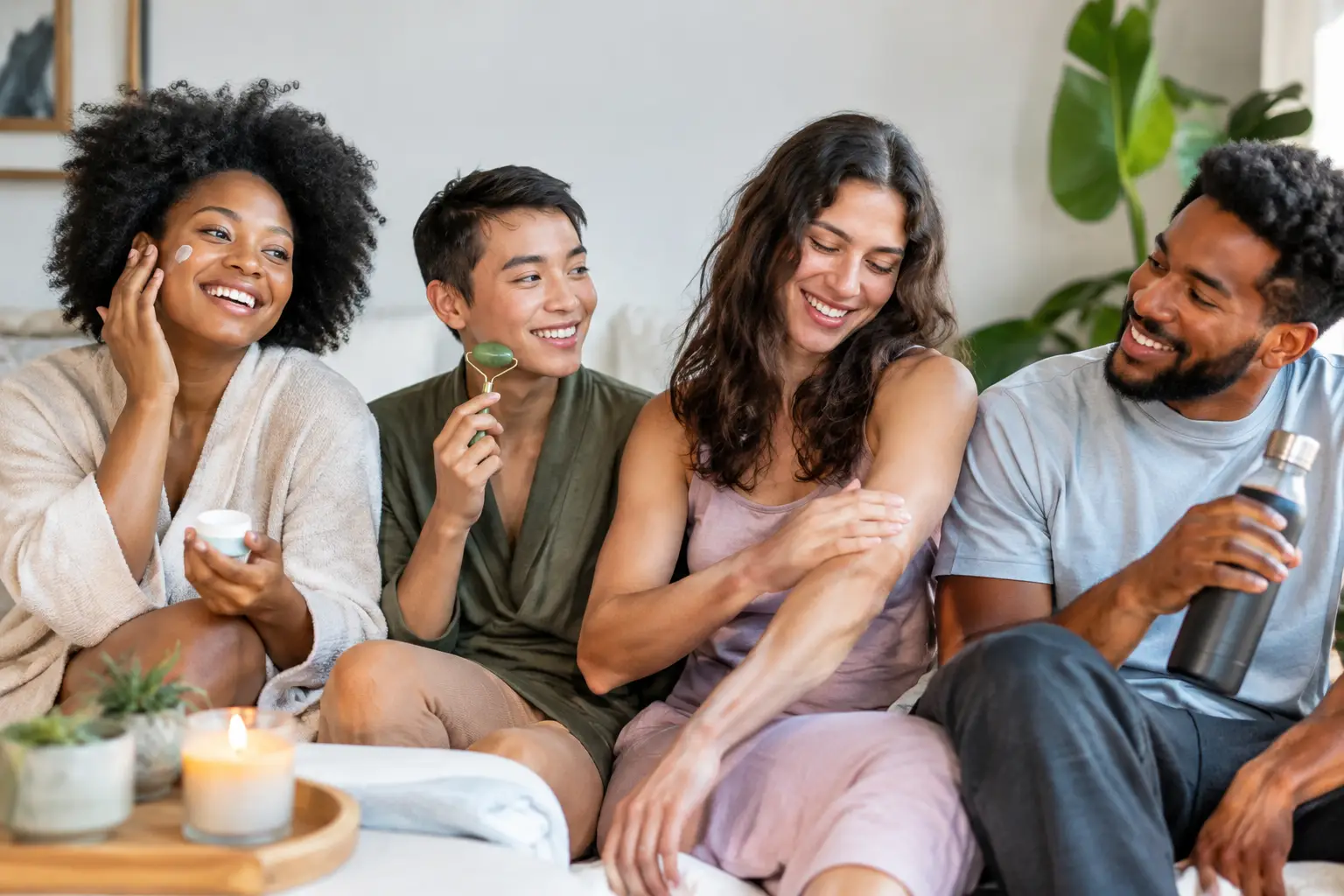
A pleasure product should never make someone feel like they have to earn their place in the conversation. Yet for a long time, adult wellness shopping was built around narrow assumptions: who has sex, what bodies look like, what kinds of pleasure count, and how confidently someone should already know what they want.
Inclusive pleasure trends are changing that story. They are making room for curiosity without pressure, products designed with more bodies in mind, and honest conversations that treat pleasure as a valid part of self-care. This is not about following a flashy new aesthetic. It is about making intimacy feel safer, more affirming, and more personal for every adult who wants to explore it.
Inclusive Pleasure Trends Start With Better Questions
The most meaningful shift is simple: the focus is moving away from a one-size-fits-all idea of pleasure. Instead of asking, “What is the best toy?” more shoppers are asking, “What feels right for me?” That question leaves room for comfort, identity, ability, relationship style, sensory preferences, budget, and experience level.
For a first-time shopper, the right choice may be a small, intuitive vibrator with gentle settings and a body-safe silicone finish. For someone who wants partnered play, it might be a massage candle, a wearable option, or a beginner-friendly bondage kit that prioritizes communication over performance. Neither choice is more advanced, more desirable, or more worthy. It is simply about finding what supports your own experience.
That is the heart of inclusivity: choice without judgment. It gives people permission to want softness, power, novelty, connection, solo time, or all of the above. Pleasure is not a test you pass. It is information you learn about yourself.
Representation Is Becoming Part of Product Design
Representation is more than who appears in marketing photos. It shows up in the details of how products are made, described, packaged, and recommended.
Thoughtful brands are paying closer attention to ergonomic shapes that are easier to hold, controls that do not require guesswork, and designs that work for a range of bodies and mobility needs. They are moving beyond gendered language that assumes a product has only one kind of user. A vibrator is not “for women” by default, and a stroker is not reserved for one identity. Products can be described by sensation, placement, size, material, and use rather than by outdated rules about who belongs where.
This language matters because it reduces the awkwardness that keeps people from asking questions. When a product description says what it does clearly and respectfully, shoppers can make decisions based on their needs instead of trying to decode whether they are “supposed” to use it.
There is still room to improve. Inclusive design is not accomplished by putting a rainbow on packaging or using broad language without backing it up. It means listening to real people, offering useful details, and recognizing that bodies and desires are wonderfully varied.
Body-Safe Materials Are a Nonnegotiable
A welcoming shopping experience should also be a safe one. One of the strongest adult wellness trends is the growing demand for transparency around materials. Shoppers are asking what touches their bodies, how to clean it, and whether a product is made to last.
Nonporous materials such as body-safe silicone, stainless steel, borosilicate glass, and ABS plastic are often easier to clean and a smart place to start. Product care matters, too. A simple cleanser or warm water and mild soap can work for many products, depending on manufacturer instructions, while storage helps keep materials clean and protected.
Lubricant compatibility deserves attention as well. Silicone lubricant can damage some silicone toys, so a water-based option is often the easier choice when you are unsure. This may sound like a small detail, but clear care guidance builds the kind of trust that makes exploration feel empowering rather than intimidating.
Pleasure Education Is Getting More Honest
For years, sexual wellness education has often focused on risk prevention while barely acknowledging pleasure, consent, communication, or anatomy beyond the basics. Inclusive pleasure education makes space for the full picture. It can be practical without being clinical and affirming without making promises.
It reminds us that arousal is not always immediate, orgasms are not the only goal, and preferences can change. Some people love intense vibration. Others prefer slow build, external stimulation, texture, warmth, pressure, or the comfort of a familiar ritual. There is no universal setting that works for everyone.
This approach also centers consent as an ongoing conversation, especially when exploring with a partner. A new toy, accessory, or fantasy is not a surprise assignment. It is an invitation. Checking in before, during, and after creates more trust, more ease, and usually more fun. “Do you like this?” and “Want more or less?” are some of the sexiest questions available.
For solo exploration, the same principle applies. Start with curiosity instead of expectation. Try a product over time, experiment with different settings, and notice what feels good in your body. The pressure to have an instant, movie-perfect experience can get in the way of actually enjoying yourself.
Accessibility Means Less Intimidation, Too
Accessibility is often discussed in terms of physical design, and that is essential. But emotional accessibility matters, too. Adult wellness can feel vulnerable, especially for beginners, people returning to intimacy after a life change, or anyone who has absorbed shame around their desires.
A good shopping experience does not assume expertise. It explains terms plainly, offers realistic recommendations, and makes room for questions without talking down to anyone. It also respects privacy. Discreet delivery, clear product information, and supportive guidance can make a real difference for someone taking their first step toward self-discovery.
Price is part of access as well. Premium materials and thoughtful construction can be worthwhile, particularly for products used close to the body. Still, a higher price tag does not automatically mean a better match. A carefully chosen entry-level product can be far more satisfying than an expensive item with features someone will never use. The best purchase is one that fits your comfort level, preferences, and budget.
What Inclusive Pleasure Trends Look Like at Home
The trend is not about owning more products. It is about creating more intentional moments of care. That may mean setting aside time for yourself, choosing lingerie because it makes you feel powerful, introducing massage into a date night, or having a more open conversation with a partner about what you both want.
For some people, pleasure looks like a quiet evening with a favorite vibrator and zero agenda. For others, it is exploring sensation play, role-play, or a new way to connect with someone they trust. It can also mean deciding that a certain product, activity, or trend is not for you. Being able to say no with confidence is part of sexual wellness, too.
At Saphire’s Toys, we believe curiosity deserves a judgment-free place to land. You do not need to fit a label, have a particular relationship status, or know exactly what you are looking for before you begin. You only need the freedom to ask, learn, and choose what feels affirming.
Make Pleasure Personal, Not Performative
The most exciting part of this shift is that it makes space for real people, not perfection. Inclusive pleasure is not a look, a label, or a shopping checklist. It is the belief that every adult deserves information, quality options, and the dignity to explore their own desires without shame.
Let trends inspire questions, not rules. Choose the product that makes you feel curious. Use the words that feel true to you. Go slowly if you want to, change your mind when you need to, and let self-care include the parts of you that deserve joy, too.



Be the first to comment